

As a supplier of Coffin Hardware Screws, I often encounter inquiries from customers about the maximum load that these screws can bear. This is a crucial question, as the reliability of coffin hardware screws is of utmost importance in ensuring the integrity of the casket. In this blog post, I will delve into the factors that determine the maximum load capacity of coffin hardware screws and provide some insights based on industry knowledge and experience.
Understanding the Basics of Coffin Hardware Screws
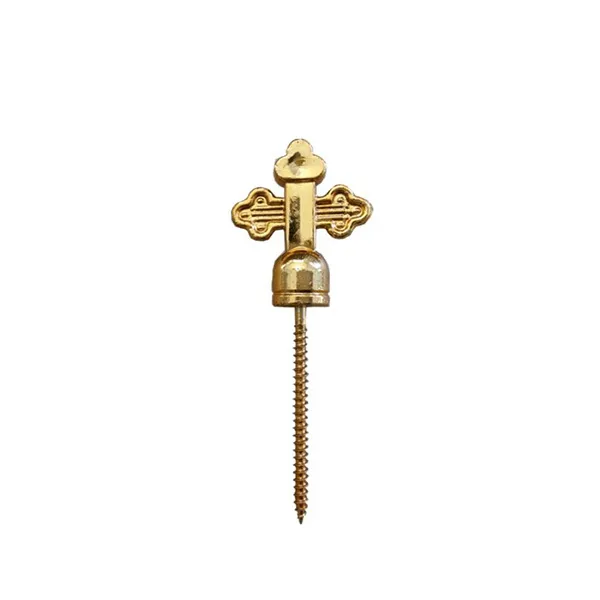
Before we discuss the maximum load capacity, it's essential to understand the different types of coffin hardware screws available. There are several types, including Casket Fastening Screw, Coffin Hardware Screw, and Casket Surface Decoration Screw. Each type serves a specific purpose and has different load - bearing capabilities.
Casket fastening screws are designed to hold the casket together securely. They are typically larger and stronger, as they need to withstand the forces that might act on the casket during transportation and burial. Coffin hardware screws, on the other hand, are used for various hardware attachments on the casket, such as handles and hinges. Casket surface decoration screws are mainly for aesthetic purposes but still need to have a certain level of strength to stay in place.
Factors Affecting the Maximum Load Capacity
1. Material
The material of the screw is one of the most significant factors affecting its load - bearing capacity. Common materials for coffin hardware screws include stainless steel, brass, and carbon steel. Stainless steel is known for its corrosion resistance and high strength. It can withstand a relatively large amount of stress without deforming or breaking. Brass is also a popular choice due to its aesthetic appeal and good corrosion resistance, but it may have a lower load - bearing capacity compared to stainless steel. Carbon steel is strong but may be more prone to rust if not properly coated.
2. Screw Size
The size of the screw, including its diameter and length, plays a crucial role in determining its load - bearing capacity. Generally, larger diameter screws can bear more load. A thicker screw has a greater cross - sectional area, which means it can distribute the load more effectively. The length of the screw also matters. A longer screw provides more engagement with the casket material, increasing its holding power.
3. Thread Design
The thread design of the screw affects how well it grips the casket material. Screws with a coarse thread are better at holding in soft materials like wood, as they can bite into the material more effectively. Fine - threaded screws are often used in harder materials or when a more precise fit is required. The pitch of the thread also impacts the load - bearing capacity. A smaller pitch can provide more holding power, but it may require more torque to install.
4. Casket Material
The material of the casket itself has a significant impact on the load - bearing capacity of the screws. If the casket is made of solid wood, the screws can grip well and bear a relatively large load. However, if the casket is made of a composite material or a softer wood, the load - bearing capacity may be reduced. The density and hardness of the casket material determine how well the screw can hold.
Testing the Maximum Load Capacity
To determine the maximum load that coffin hardware screws can bear, various testing methods are used. One common method is the pull - out test. In this test, a screw is inserted into a sample of the casket material, and a pulling force is applied until the screw is pulled out. The maximum force at which the screw is pulled out is recorded as the pull - out strength.
Another test is the shear test, which measures the screw's ability to resist forces that act parallel to its axis. In a shear test, a force is applied to the screw in a direction that tries to cut through it. The maximum force that the screw can withstand before shearing is determined.
These tests are usually conducted in a laboratory setting using specialized equipment. The results of these tests provide valuable information about the load - bearing capacity of the screws under different conditions.
Industry Standards and Regulations
The coffin hardware industry is subject to certain standards and regulations regarding the load - bearing capacity of screws. These standards ensure the safety and reliability of the caskets. For example, some standards specify the minimum pull - out strength and shear strength that screws must meet.
Manufacturers are required to test their screws according to these standards and provide documentation to prove compliance. This helps to ensure that the screws used in caskets are of high quality and can withstand the expected loads.

Practical Considerations
In real - world applications, the maximum load that coffin hardware screws can bear is also influenced by factors such as installation method and environmental conditions. Proper installation is crucial to ensure that the screws can reach their full load - bearing potential. If the screws are not installed correctly, they may not grip the casket material properly, reducing their load - bearing capacity.
Environmental conditions, such as humidity and temperature, can also affect the performance of the screws. High humidity can cause metal screws to rust, which can weaken them over time. Extreme temperatures can cause the casket material to expand or contract, putting additional stress on the screws.
Conclusion
In conclusion, the maximum load that coffin hardware screws can bear is determined by a combination of factors, including the material of the screw, its size, thread design, and the material of the casket. Through proper testing and compliance with industry standards, we can ensure that the screws are reliable and can withstand the expected loads.
As a supplier of Coffin Hardware Screw, I am committed to providing high - quality screws that meet the highest standards of safety and reliability. If you are in the market for coffin hardware screws and have any questions about load - bearing capacity or other aspects of our products, please feel free to contact us for more information and to discuss your specific needs. We look forward to working with you to find the best solutions for your coffin hardware requirements.
References
- "Handbook of Screw Design and Application", CRC Press
- Industry standards for coffin hardware, various regulatory bodies.